
How to Get Rid of Dust in the Air
You can’t eliminate dust in the air completely. It’s a natural mix of skin cells, fabric fibers, and outdoor particles that will always find a way in. But you can cut it down significantly with the right combination of daily habits, air filtration, and regular furnace and duct cleaning. Here’s what actually works
ALLERGIES FROM DUST IN THE AIR
8 Ways to Get Rid of Dust in the Air
The most effective way to reduce airborne dust is combining a few habits at once: filtering the air your HVAC system moves, capturing dust when you clean instead of scattering it, controlling humidity, and keeping outdoor dust from tracking in. No single step eliminates dust, but together they make a real difference.
- Change your furnace filter regularly. Check it every 1 to 3 months, at least three times a year, and replace it once you can’t see light through it. A higher MERV-rated filter captures more dust, but confirm your furnace can handle the airflow restriction before upgrading.
- Vacuum with a true HEPA filter. A vacuum without one just blows fine dust back into the air. Focus on carpets, rugs, upholstery, and under furniture, not just open floor space.
- Dust with a damp microfiber cloth, not a dry rag or feather duster. Dry dusting just moves particles around and back into the air; a slightly damp microfiber cloth traps them. Work top to bottom so you’re not re-dusting surfaces you’ve already done.
- Control indoor humidity. Dust mites thrive above 50% humidity. Keeping your home between 30 and 50% (a dehumidifier helps in damp basements) makes your home less hospitable to them.
- Wash bedding weekly in hot water. Bedrooms are one of the biggest dust reservoirs in the house, mostly from shed skin cells and dust mites in fabric.
- Use doormats and a shoes-off habit at entryways. A large share of household dust gets tracked in from outside on shoes; a mat at each entrance catches a good portion of it before it spreads.
- Consider an air purifier with a true HEPA filter for high-use rooms. It won’t replace cleaning, but it helps catch airborne particles between cleanings, especially in bedrooms.
- Get your furnace and air ducts professionally cleaned. Filters and habits handle what’s floating in your living space, but dust that’s already collected inside your furnace, blower, and ductwork keeps recirculating until it’s physically removed.
Why Winter Specifically Makes Dust Worse
A Sealed House Is a Concentrated House
Unlike spring or summer, when open windows let fresh air dilute what’s accumulating indoors, February typically means everything is shut, doors, windows, even most exterior vents you might otherwise crack open. That means dust, hair, and debris have nowhere to go except recirculate through the same air you’re breathing, over and over.
The Furnace Never Stops
Add a furnace running almost continuously to that sealed environment, and you’ve got the perfect setup for dust buildup: constant air movement through your ductwork, with no fresh air exchange to dilute what’s being pulled through it.
You Can’t Eliminate It, But You Can Reduce It
Dust in the air is always going to be a problem in the home. Removing it completely isn’t really possible, it’s a mix of your own skin cells and the air from outside, more or less depending on where you live. For a deeper look at where household dust actually comes from, see our breakdown of why dust builds up in the first place. Cleaning your furnace and air vent system is one of the most effective ways to reduce how much collects indoors, but it’s not the only one.
Dust Mite Allergies Are a Real Winter Concern
The Actual Numbers
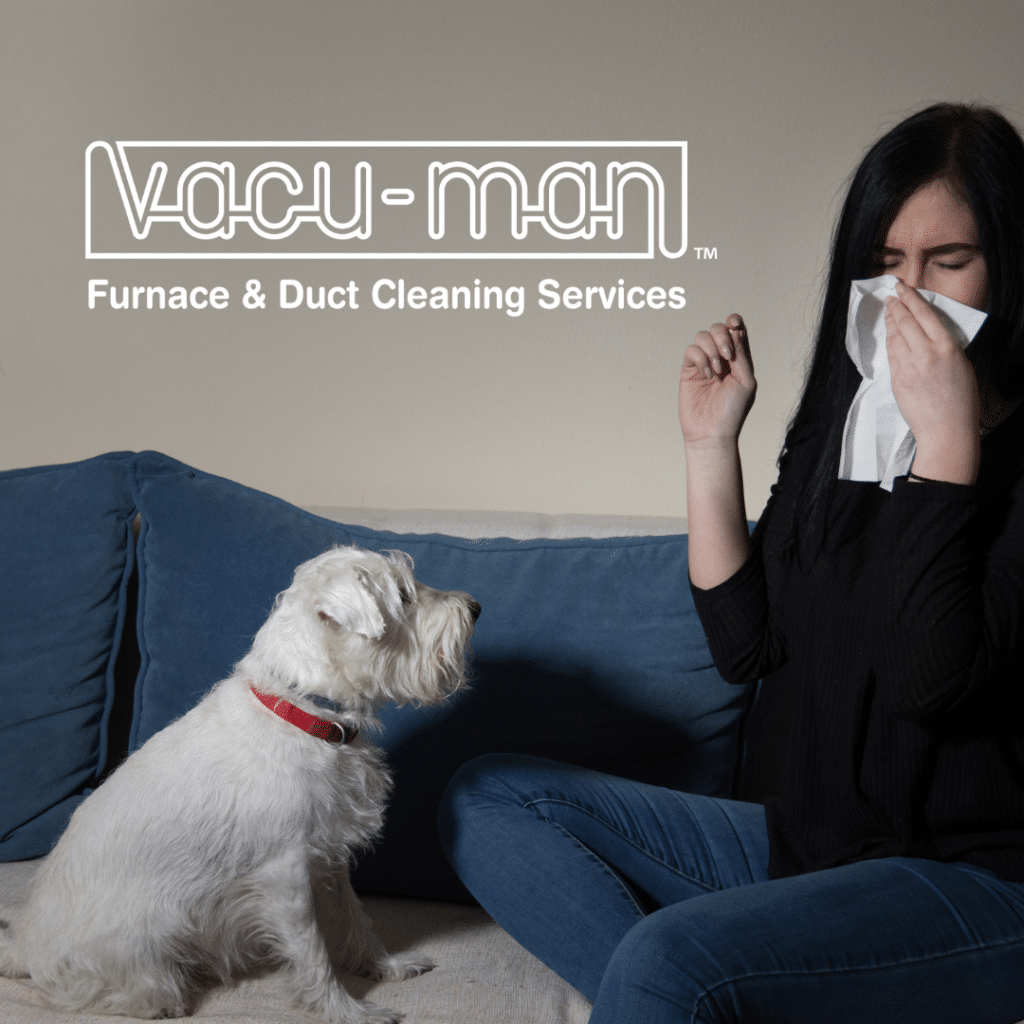
Dust mites are one of the most common triggers of indoor allergies. An estimated 20 million Americans have a dust mite allergy, and separately, dust mite sensitivity is estimated to affect around 10% of the world’s population overall.
Common Symptoms
- Sneezing
- Runny nose
- Cough
- Nasal congestion
- Itchy, red, or watery eyes
If these symptoms show up specifically during winter months when your home is sealed tight, dust mite exposure indoors is a reasonable factor to consider. For a deeper look at managing dust-related allergies, see our full guide here.
The Filter Light Test
A Simple Check You Can Do Right Now
Hold your furnace filter up to a light source. If you can’t see light coming through it clearly, that’s your sign it’s overdue for a change. A good general rule is three times a year, but a heavily loaded filter in the middle of winter might need checking more often than that.
Why This Matters More in February
Since your furnace is running near-constantly this time of year, a clogged filter isn’t just less effective, it’s actively straining your system and pushing more unfiltered dust back into circulation.
When to Get the Furnace and Ducts Cleaned
Cleaning your air vent and HVAC system every 3 to 5 years, or after any renovation, is a reasonable general guideline. If you have multiple pets, you’ll likely want this done more frequently than that baseline.
Don’t Just Clean the Vents
Cleaning air vents and ductwork without also cleaning the furnace itself is like changing your car’s oil without replacing the oil filter, it only addresses part of the problem. Make sure whoever you hire has a licensed TSSA gas tech on the crew to properly clean your home’s HVAC system, not just the visible ductwork.
Don’t Get Scammed by Air Duct Cleaning Calls
Be cautious of companies leaning on NADCA training as a credential. NADCA is an association started by duct cleaning companies themselves to promote good practices, but it’s not a licensing body recognized by Ontario government regulations. What actually matters legally is TSSA licensing, not a NADCA certificate.
Serving Hamilton, Oakville, Burlington & Brantford
Vacu-Man is located in Hamilton, Oakville, and Burlington, and provides air duct cleaning in Brantford and the surrounding area as well. We’re a family-run business for over 45 years, we pay a living wage, and we hire licensed TSSA gas technicians to clean your home or commercial business.
FAQ
How do I get rid of dust in my house?
Combine daily habits, like damp dusting and vacuuming with a HEPA filter, with entryway mats, humidity control, and a regular furnace and duct cleaning schedule. No single method eliminates dust, but together they cut it down significantly.
What's the best way to reduce dust in the air?
Changing your furnace filter regularly addresses ongoing airborne dust, while cleaning your furnace and ducts every 3 to 5 years removes the buildup that recirculates through your HVAC system, which daily habits alone can’t reach.
Does an air purifier help with dust?
Yes, a true HEPA air purifier can help capture airborne dust particles between cleanings, especially in bedrooms and high-use rooms, though it works best alongside regular vacuuming and dusting, not instead of them.
How often should I clean my furnace and ducts to reduce dust?
Most homes benefit from a full furnace and duct cleaning every 3 to 5 years, more often if you have pets, smoke indoors, or have recently renovated.
Summary
Winter’s sealed-up conditions and a furnace running nearly nonstop make February one of the worst months for dust concentration indoors, even though dust itself is never fully avoidable. A quick filter light-check, staying on top of your 3-to-5-year duct cleaning schedule, and choosing a company with licensed TSSA gas techs (not just a NADCA certificate) are the practical steps that actually help. Vacu-Man serves Hamilton, Oakville, Burlington, and Brantford as a family-run business with over 45 years of experience.
Call Vacu-Man to help make your air a little cleaner and give you peace of mind that you’ve removed the dust, hair, and debris built up in your home.